 blackseed
blackseed
blackseed
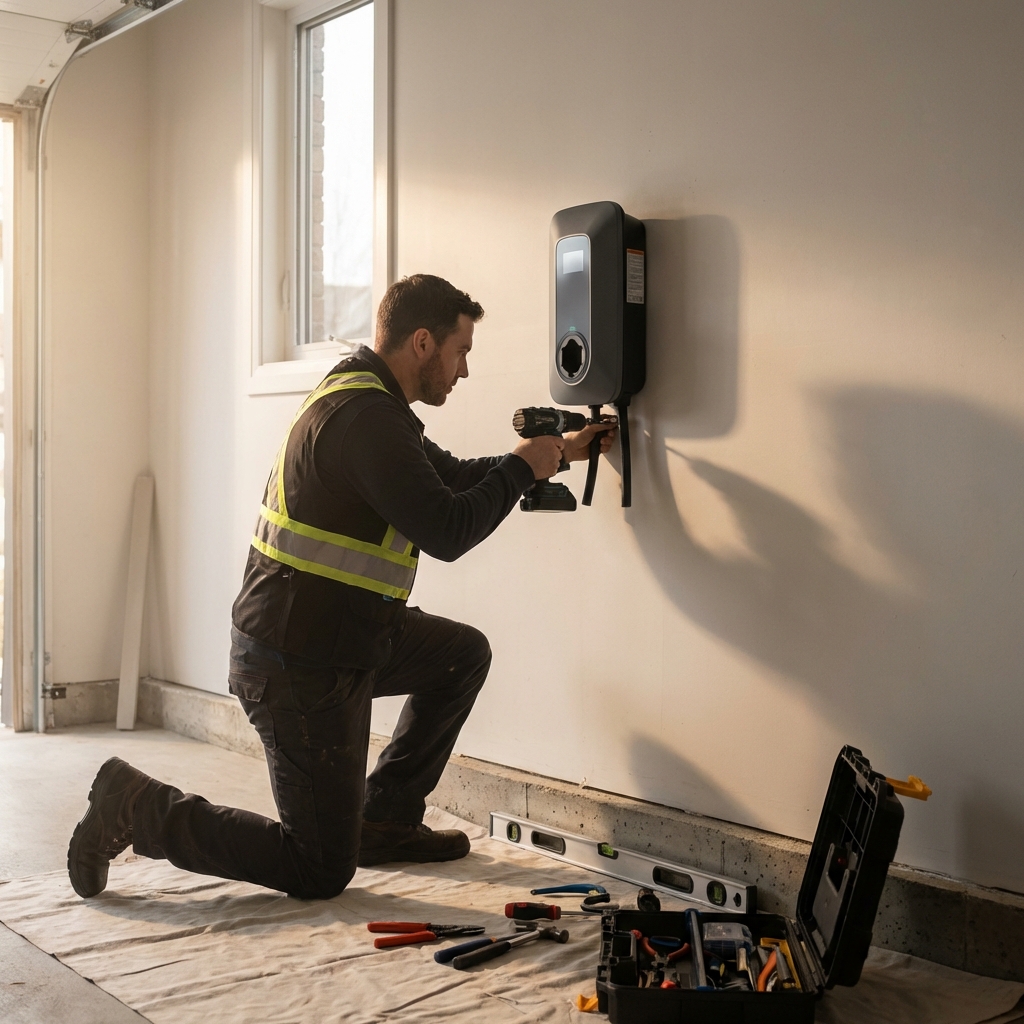
The rapid adoption of electric vehicles requires robust infrastructure. Adhering to installation best practices is not just about compliance—it's about ensuring long-term safety and reliability.
All installations must strictly follow local electrical codes. A new, dedicated circuit should be installed for EV charging devices, and the electrical supply must be adequate and compatible with the charging equipment's technical specifications.
Did You Know?
Installing a Residual Current Device (RCD) with the charging unit is highly recommended. It cuts off power if a fault is detected, significantly reducing fire risk.
Location matters. Whenever possible, charging stations should be located externally rather than inside buildings. If internal installation is necessary, such as in underground garages, fire protection provisions become critical.
Impact protection is often overlooked. Charging bollards or heavy-duty barriers should be installed to prevent vehicles from accidentally striking the charger, which could lead to severe electrical faults.
It is highly discouraged unless you are a certified electrician. Incorrect installation can lead to fire hazards, voided warranties, and code violations.
Most Level 2 home chargers require a 240-volt outlet (like a NEMA 14-50), similar to what a clothes dryer uses, installed on a dedicated circuit.
In most jurisdictions, yes. A permit ensures the installation meets safety codes and allows for a final inspection by local authorities.
Costs vary widely based on your home's wiring, panel capacity, and the charger itself, but installation typically ranges from $500 to over $2,000.
Yes, provided you choose a charger rated for outdoor use (NEMA 3R or NEMA 4 rating) to withstand rain, snow, and dust.
If your home has an older 100-amp panel that is near capacity, you may need a service upgrade to 200 amps to safely handle the additional load of an EV charger.