 blackseed
blackseed
blackseed
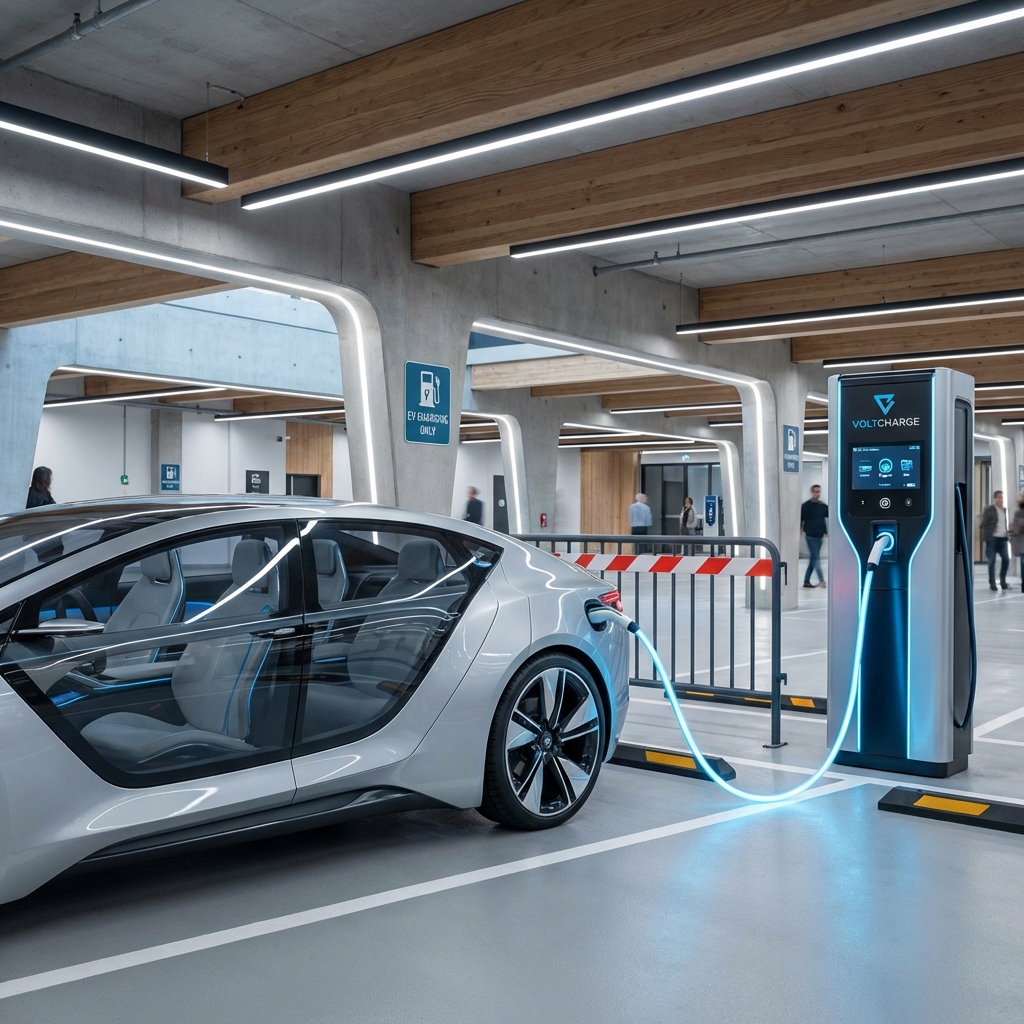
Electric vehicle (EV) fire safety is a multifaceted topic, often clouded by media attention. The reality is that EVs are significantly less prone to fires than gasoline-powered cars, but they require a different approach to safety.
Multiple studies indicate a substantially lower fire risk for EVs compared to internal combustion engine (ICE) vehicles. A global study identified that fires in gasoline or diesel-powered cars are over 80 times more common than in rechargeable vehicles.
For example, the Swedish Civil Contingencies Agency reported only 3.8 fires per 100,000 electric or hybrid cars in 2022, compared to 68 fires per 100,000 cars across all fuel types.
While less frequent, EV fires are more complex due to a phenomenon called Thermal Runaway. This occurs when a battery cell is damaged—from a crash, manufacturing defect, or overcharging—leading to rapid heating.
EV owners can further reduce risks by adhering to simple best practices:
No. Statistics show that internal combustion engine vehicles catch fire significantly more often than electric vehicles. However, EV fires can be more intense and harder to extinguish.
Thermal runaway is a chain reaction within a battery cell where heat generation exceeds heat dissipation, leading to a rapid temperature increase that can spread to adjacent cells and cause a fire.
Yes. EV charging systems are designed to be weather-resistant and have multiple safety layers to prevent electrical shock or shortages, even in wet conditions.
Signs include physical damage to the undercarriage, a persistent burning smell, unusual noises (popping/hissing) from the battery pack, or warning alerts on your dashboard.
Evacuate the vehicle immediately, move at least 100 feet away, call emergency services, and inform them it is an electric vehicle fire so they can respond appropriately.
Generally, yes. However, if your vehicle has been in an accident or receives a battery warning, it is safer to park it outside away from structures until inspected by a professional.