 blackseed
blackseed
blackseed
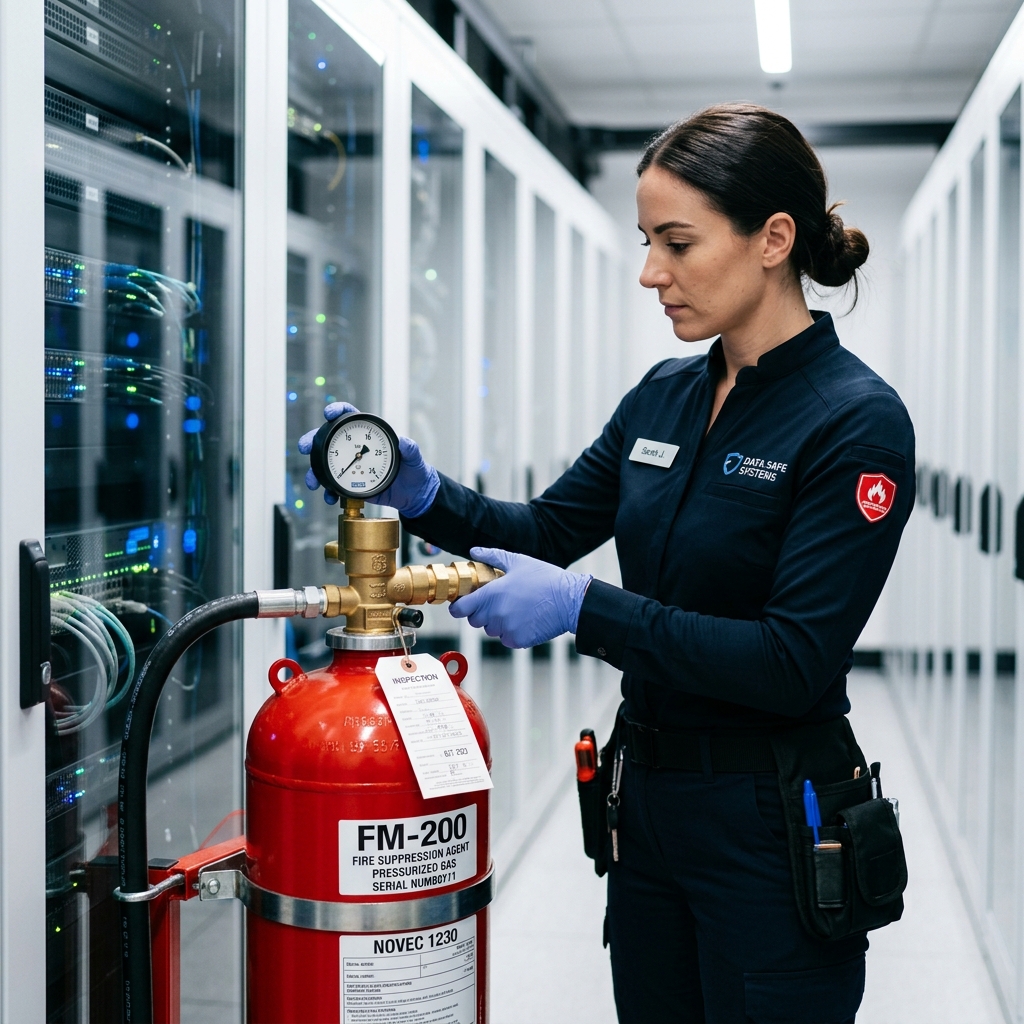
A fire suppression system is only as good as its last maintenance check. Regular inspections are not just a regulatory requirement—they are a critical insurance for your business continuity.
Unlike standard water sprinklers, gas fire suppression systems rely on complex chemical reactions and precision pressure vessels. Factors like agent leakage, pipe debris, or control panel malfunctions can render the system useless when a real fire breaks out. Following a strict maintenance schedule ensures that your high-value assets remain protected 24/7.
Per NFPA 2001 and local standards, gas cylinders must undergo hydrostatic testing every 5 or 12 years depending on the type and country regulations. This involves emptying the cylinders, inspecting the internal structure, and pressure testing the vessel to ensure metal fatigue has not compromised its safety.
Unsure when your system was last certified? Blackseed provides comprehensive maintenance contracts and certification services for all major gas suppression brands.
Book a Technical AuditA gauge in the red indicates a loss of pressure, likely due to a leak or temperature variations. Contact a technician immediately to refill or recalibrate the system.
Yes. Room alterations (new cable entries, door changes) often compromise the seal. Without a proper seal, the gas will leak out too fast to extinguish the fire.