MAINTENANCE GUIDE

Maintenance Schedule for Gas Fire Suppression Systems: Ensuring Reliability

April 09, 2026 Blackseed Engineering
Gas Fire Suppression Maintenance

A fire suppression system is only as good as its last maintenance check. Regular inspections are not just a regulatory requirement—they are a critical insurance for your business continuity.

The Importance of Systematic Maintenance

Unlike standard water sprinklers, gas fire suppression systems rely on complex chemical reactions and precision pressure vessels. Factors like agent leakage, pipe debris, or control panel malfunctions can render the system useless when a real fire breaks out. Following a strict maintenance schedule ensures that your high-value assets remain protected 24/7.

Weekly Checks (By On-site Staff)

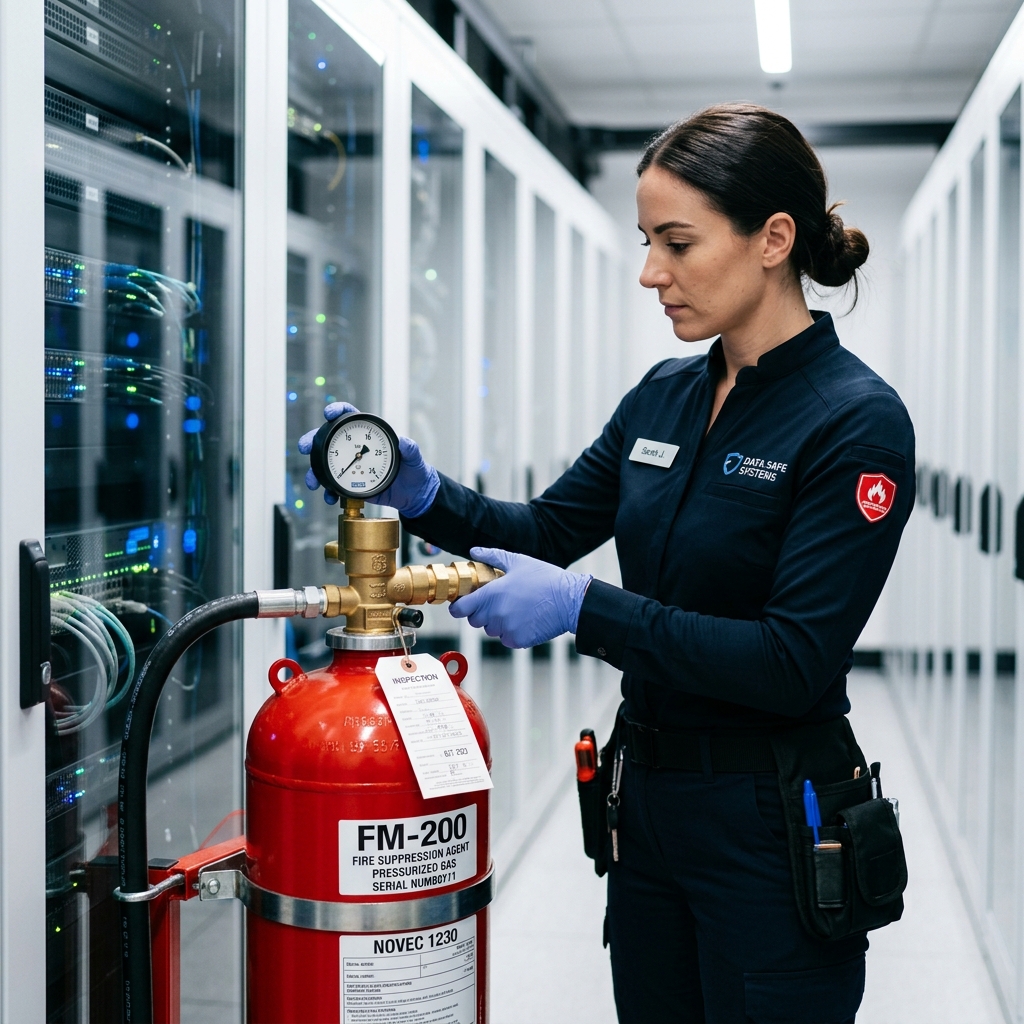
  • Visual inspection of pressure gauges: Ensure they are in the green zone.
  • Check for obstructions near discharge nozzles.
  • Verify the control panel shows "Normal/healthy" status.

Monthly Mechanical Inspection

  • Check the physical condition of all cylinders and mounting brackets.
  • Ensure electrical and manual actuators are properly secured.
  • Verify that all piping and supports are in good physical condition.

Quarterly System Inspection

  • Visual inspection of the protected room's enclosure (check for gaps/seals).
  • Review the control panel event log for any intermittent faults.
  • Test the operation of all visual and audible alarms.

Annual Certification & Testing (Professional Only)

  • Room Integrity Test (Fan Pressure Test): Verify the room can hold the gas concentration for the required duration.
  • Verify the weight or liquid level of all agent cylinders.
  • Battery discharge test for the control panel's backup power.
  • Full functional test of the release circuit (simulated discharge).

5-Year and 10-Year Requirements

Per NFPA 2001 and local standards, gas cylinders must undergo hydrostatic testing every 5 or 12 years depending on the type and country regulations. This involves emptying the cylinders, inspecting the internal structure, and pressure testing the vessel to ensure metal fatigue has not compromised its safety.

Best Practices for Facility Managers

  • Maintain a Detailed Logbook: Document every check, however minor. This is vital for insurance claims and regulatory audits.
  • Post-Maintenance Ventilation: Ensure that if any agent was discharged (even accidentally), the area is ventilated by professionals before re-entry.
  • Employee Training: Ensure staff know how to recognize system activation and where the manual pull stations and abort switches are located.

Schedule Your Next Inspection today

Unsure when your system was last certified? Blackseed provides comprehensive maintenance contracts and certification services for all major gas suppression brands.

Book a Technical Audit

Frequently Asked Questions

What happens if my pressure gauge is in the red?

A gauge in the red indicates a loss of pressure, likely due to a leak or temperature variations. Contact a technician immediately to refill or recalibrate the system.

Is the integrity test really necessary every year?

Yes. Room alterations (new cable entries, door changes) often compromise the seal. Without a proper seal, the gas will leak out too fast to extinguish the fire.