 blackseed
blackseed
blackseed
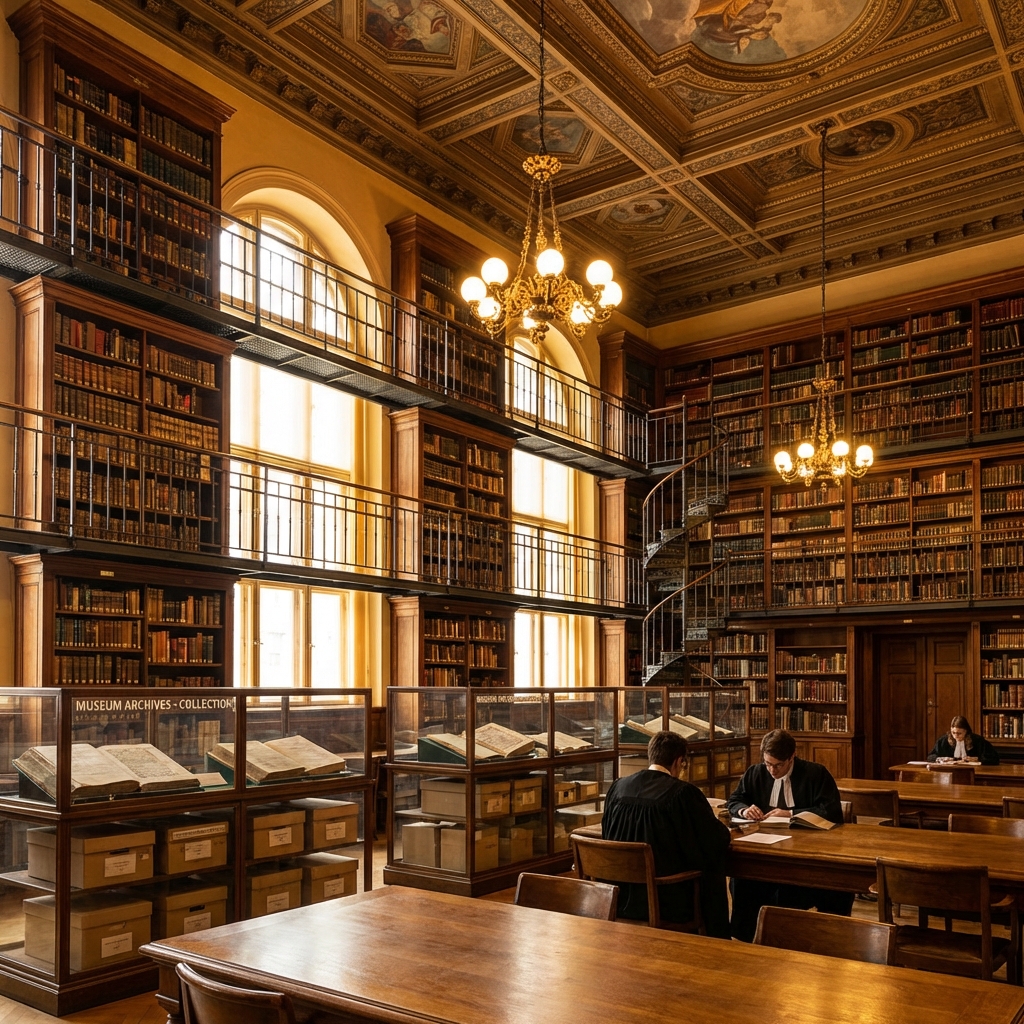
Museums and archives house irreplaceable artifacts where water damage from sprinklers can be as destructive as fire itself. Inert gas suppression offers an effective, non-destructive solution.
For oil paintings, ancient manuscripts, and delicate textiles, water can cause irreversible damage: varying from mold growth to ink running and structural warping. Traditional sprinkler systems, while effective at saving the building, often fail to save the contents.
Inert gas systems (using Nitrogen and Argon) suppress fire by reducing the oxygen level in the room. They are dry, clean, and leave no residue.
Preservation First
Because inert gases are chemically neutral, they do not react with the materials of artworks, ensuring that even during a discharge, the history remains untouched.
Museums often have unique architecture with open spaces. Inert gas systems are volumetric, meaning they fill the entire space. This requires careful calculation of the room volume and ensuring the enclosure is sealed well enough to hold the gas.
No. Inert gases are completely dry and chemically non-reactive. They will not affect oil paints, paper, canvas, or textiles.
Yes. The oxygen level is lowered to between 10-12%, which is similar to the atmosphere at high altitudes (like on a mountain). It is safe for humans for short durations.
Yes. Discharging gas into a sealed room creates positive pressure. Vents must be installed to release this pressure and prevent damage to walls or doors.
Inert gas requires more cylinders than chemical agents. However, they can be stored up to 100 meters away from the protected room, allowing flexibility in design.
Yes, but the system must be sized for the total volume of the open space. Segmenting large galleries with automatic fire curtains can help reduce the required gas volume.
Absolutely none. Once the gas is vented out after the fire, there is nothing to clean up, allowing the museum to reopen quickly.